Handwriting Paper: A Practical Guide
For educators, parents, and creative professionals, the quality of the writing surface often dictates the success of the learning or design process. Handwriting Paper is more than just a blank sheet; it is a foundational tool that structures thought, guides motor skills, and enhances presentation. Whether you are managing a busy classroom, homeschooling a preschooler, or designing a custom journal for publication, having access to high-quality, ready-to-print resources is essential. The right paper template simplifies complex tasks, ensuring that students focus on letter formation rather than struggling with alignment, while allowing creators to produce professional-grade materials without the overhead of expensive pre-printed stock.
The Role of Structured Lines in Early Learning
When introducing children to the mechanics of writing, visual guidance is paramount. Standard lined paper provides the necessary boundaries for uppercase and lowercase letters, but specialized templates offer even greater utility. For kindergarten and preschool environments, handwriting paper with lines featuring dashed midlines helps young learners understand the vertical space required for different characters. This visual cue is critical for developing fine motor skills and establishing proper letter sizing early on.
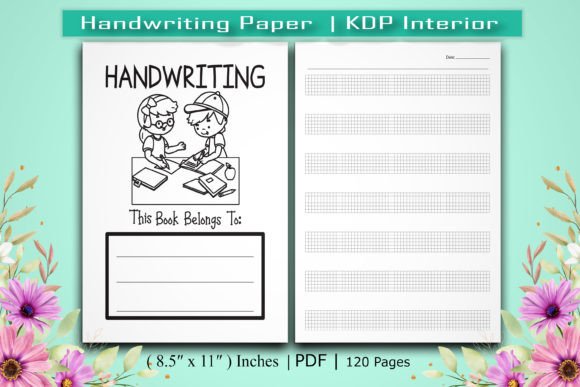
Consider the challenge of teaching the alphabet from A to Z. Without clear guides, a child might write "b" too small or extend the tail of "y" beyond the baseline. A well-designed worksheet solves this problem by providing a consistent framework. When using high-resolution PDF files, such as those found in comprehensive 120-page collections, educators can ensure that every student receives identical, crisp instructions. This consistency reduces confusion and allows teachers to focus on individual coaching rather than correcting formatting errors caused by poor-quality printouts.
Enhancing Classroom Efficiency with Print-Ready Files
In a professional educational setting, time is a scarce resource. Preparing materials manually or sourcing low-quality images can lead to wasted hours and subpar results. High-quality PDF files ready to print eliminate these friction points. These digital assets are designed with specific dimensions, typically 8.5″ x 11″ inches, which align perfectly with standard office printers and copiers. This compatibility ensures that the output matches the intended layout, preserving the integrity of the lines, dashes, and illustrations.
Furthermore, files that include bleed areas are particularly valuable for those creating physical books or bound workbooks. Bleed ensures that when the page is trimmed after printing, no white edges remain, resulting in a polished, professional finish. For publishers or small business owners producing activity books, this feature is non-negotiable. It transforms a simple collection of worksheets into a cohesive product that stands out in a competitive market. The ability to download a complete set—such as a 100-page pack featuring various line styles like composition, dotted, or wide-ruled—allows for immediate deployment in lesson planning.
Bridging Education and Creativity
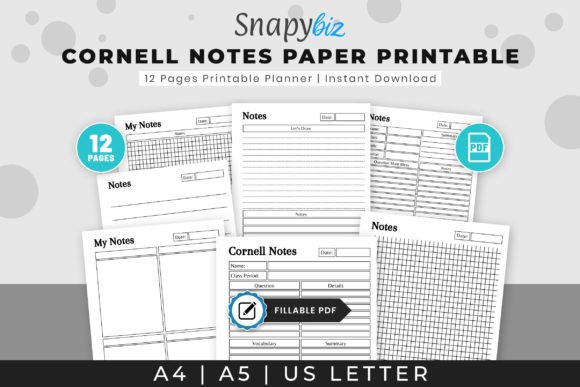
While the primary function of lined paper is functional, its potential extends into the realm of creativity and personal expression. For older students and adults, the transition from structured tracing to freehand writing requires a supportive environment. Templates that combine tracing lines with ample space for doodling or sketching encourage this transition. A student can practice spelling words on the top half of the page while illustrating the concept on the bottom, reinforcing language learning through visual association.
This dual-purpose approach is highly effective for language acquisition and note-taking. In a journaling context, the presence of lines keeps entries legible, yet the inclusion of hand-drawn elements or decorative borders can make the act of writing more inviting. For entrepreneurs and bloggers who value aesthetics, using unique handwriting paper designs adds a layer of authenticity to their content. A blog post featuring a photo of notes taken on beautifully designed, high-resolution paper conveys a sense of care and attention to detail that plain text cannot achieve.
Practical Applications for Homeschooling and Special Needs
Homeschooling parents often face the challenge of curating diverse learning materials without institutional support. Access to a vast library of printable worksheets, including specific formats for uppercase and lowercase practice, fills this gap effectively. Parents can select pages tailored to their child's current developmental stage, whether that involves simple tracing for toddlers or complex sentence construction for elementary students.
Moreover, these resources are invaluable for special education contexts where sensory feedback and visual clarity are crucial. Customizable line spacing allows for adjustments based on a child's specific needs. Some children require wider spacing to prevent crowding, while others benefit from the structure of dashed lines to guide their pencil strokes. By utilizing high-resolution interiors, parents ensure that the contrast between the lines and the paper is sharp, reducing eye strain and improving focus during homework sessions.
Technical Considerations for Professional Use
For designers and small business owners, the technical specifications of the file are just as important as the visual design. When selecting Handwriting Paper templates for commercial use, resolution is key. Low-resolution images may appear pixelated or blurry when printed, undermining the professionalism of the final product. High-resolution PDFs guarantee that every curve, dash, and illustration remains crisp, even when scaled or reproduced multiple times.
The inclusion of bleed files is another technical advantage often overlooked. If you plan to create a physical notebook or a bound workbook, the bleed area ensures that your design extends to the very edge of the page after trimming. This eliminates unsightly white borders and gives your product a premium feel. Additionally, having a large volume of pages, such as a 120-page PDF, provides the flexibility to mix and match different line styles within a single project. You might start a workbook with tracing exercises, move to guided writing, and conclude with free-form composition pages, all sourced from a single, cohesive file set.
Evaluating Fit and Limitations
While digital templates offer immense convenience, they are not a one-size-fits-all solution. Users should consider their specific hardware capabilities before committing to a large download. Older printers may struggle with high-resolution graphics, potentially slowing down production or consuming excessive ink. It is advisable to test a few pages before printing an entire batch to ensure color accuracy and line sharpness meet your standards.
Additionally, while these templates provide excellent structural support, they do not replace the need for pedagogical expertise. A worksheet is only as effective as the instruction that accompanies it. Educators should view these tools as supplements to their curriculum rather than standalone solutions. For instance, a tracing worksheet is most effective when paired with verbal guidance on grip and posture. Similarly, a blank journal page is a powerful tool for reflection, but it requires prompting questions or themes to maximize engagement.
Empowering Communication Through Better Tools
Ultimately, the goal of using Handwriting Paper is to facilitate better communication, whether in a classroom, a home, or a creative studio. By removing the barriers of poor formatting and inconsistent layouts, these tools allow users to focus on the core message. For a child, this means mastering the alphabet with confidence. For a professional, it means presenting ideas with clarity and style.
The availability of diverse options—from simple dashed lines for beginners to complex composition sheets for advanced writers—ensures that there is a fit for every stage of development. As we move toward a more digital world, the tactile experience of writing on high-quality paper remains a vital skill. Providing the right environment for this practice supports cognitive development, enhances memory retention, and fosters a lifelong appreciation for the written word. By leveraging high-quality, print-ready resources, individuals and organizations can streamline their processes and achieve superior outcomes in education and creativity.