Human Body Anatomy Bundle Guide
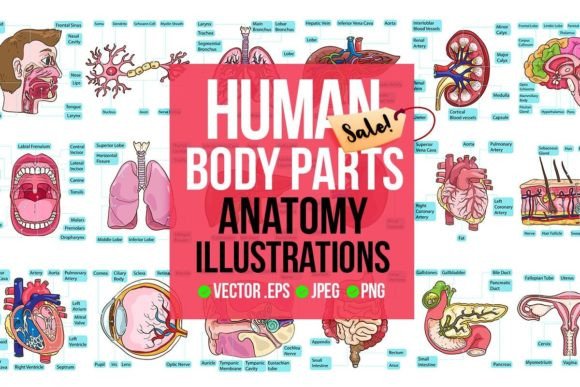
Creating accurate and visually appealing educational materials often requires a delicate balance between scientific precision and design accessibility. For educators, medical professionals, and content creators, finding high-quality visual assets that are both anatomically correct and easy to integrate into various projects can be a significant hurdle. This is where the Human Body Parts Organs Anatomy Bundle becomes an invaluable resource. It serves as a comprehensive toolkit designed to simplify the process of illustrating complex biological concepts without requiring advanced graphic design skills or expensive custom illustration commissions.
The core appeal of this collection lies in its versatility and technical quality. By providing multiple file formats, it ensures that users can adapt the illustrations to fit nearly any digital or print medium. Whether you are designing a textbook for high school biology students, preparing a slide deck for a hospital presentation, or creating engaging activity sheets for younger children, having access to reliable vector and raster images saves considerable time and effort.
Understanding the Technical Value
One of the most critical aspects of any digital asset bundle is the format in which the files are delivered. The Human Body Parts Organs Anatomy Bundle includes three distinct file types, each serving a specific purpose in the design workflow. Understanding how to utilize these formats effectively can significantly enhance the quality of your final output.
- EPS Files: The inclusion of one EPS (Encapsulated PostScript) file is particularly important for professional designers and those working with print media. As a vector format, EPS files allow for infinite scalability. This means you can resize the anatomy illustrations from a small icon to a large poster without losing any clarity or sharpness. This is ideal for large-format printing, such as banners for medical conferences or detailed charts for classroom walls.
- Transparent PNG Files: The bundle provides two hi-resolution 4MP (2000 px) pre-rendered transparent PNG files. Transparency is crucial when overlaying images onto colored backgrounds or other design elements. These files are perfect for digital presentations, websites, and e-learning modules where you need the organ illustrations to blend seamlessly into your existing layout without a white box around them.
- JPEG Files: Additionally, there are two hi-resolution 4MP (2000 px) pre-rendered JPEG files. While they do not support transparency, JPEGs are universally compatible and highly compressed, making them excellent for quick uploads to social media, email newsletters, or documents where file size matters more than layering capabilities.
Practical Applications Across Industries
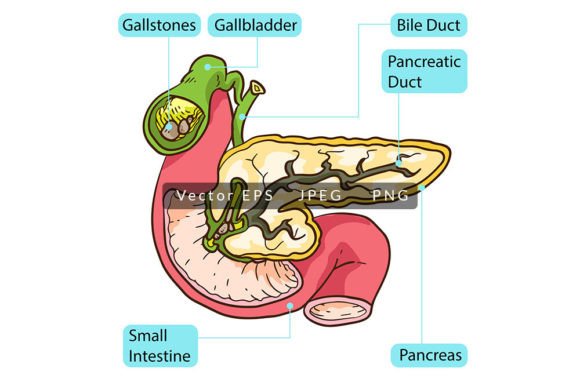
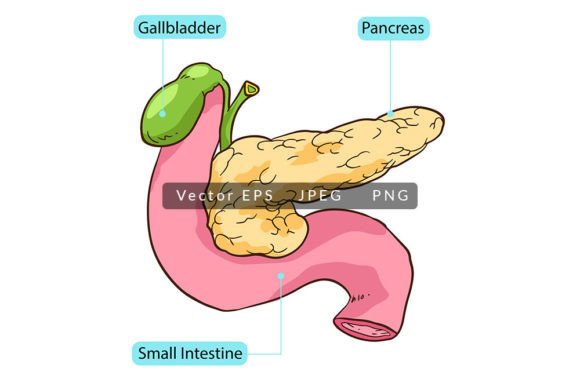
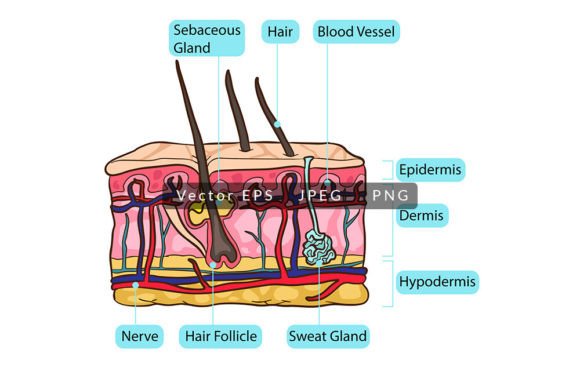
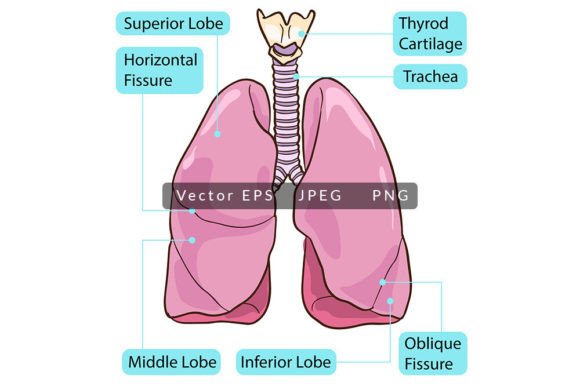
The utility of the Human Body Parts Anatomy Vector Illustration extends far beyond traditional academic settings. Its clean, professional style makes it suitable for a wide array of contexts, bridging the gap between clinical accuracy and approachable design.
Educational Environments
For teachers and professors, visual aids are essential for breaking down complex physiological systems. In a biology class, these illustrations can help students visualize the relationship between different organs. Because the images are clear and well-defined, they work exceptionally well in textbooks, worksheets, and interactive quizzes. For younger students, the simplified yet accurate nature of the drawings makes them suitable for kids' activities, helping to introduce basic anatomy in a non-intimidating way.
Medical and Healthcare Communication
In hospitals and clinics, clear communication with patients is vital. Doctors and nurses often use visual aids to explain diagnoses, surgical procedures, or treatment plans. The high resolution of the PNG and JPEG files ensures that these images look professional on patient handouts or digital screens in waiting rooms. Furthermore, medical marketers can use these assets to create brochures, infographics, and website content that educates the public about health conditions without relying on overly graphic or distressing photography.
Digital Content and Marketing
Bloggers, health coaches, and fitness entrepreneurs frequently need high-quality imagery to support their articles and social media posts. Using stock photos can sometimes feel generic or disconnected from the specific topic being discussed. With this bundle, content creators can customize their visuals to match their brand colors and style. The transparent PNGs are particularly useful for creating layered graphics for Instagram stories, Pinterest pins, or YouTube thumbnails, allowing for a cohesive and professional aesthetic across all platforms.
Why This Bundle Offers Significant Value
When evaluating design resources, cost-effectiveness is always a key consideration. Custom medical illustrations can cost hundreds or even thousands of dollars, depending on the level of detail required. In contrast, getting this great bundle for just 19 allows users to access professional-grade assets at a fraction of the typical market rate. The advertised savings of 81 percent highlight the exceptional value proposition, making it an accessible option for freelancers, small business owners, and independent educators who may have limited budgets but high standards for quality.
Beyond the financial savings, the time saved is equally significant. Searching for individual images, ensuring they match in style, and verifying their resolution can take hours. This curated bundle eliminates that hassle by providing a consistent set of illustrations ready for immediate use. For professionals juggling multiple projects, this efficiency translates directly into increased productivity and faster turnaround times for client deliverables.
Important Considerations for Users
While the Human Body Parts Organs Anatomy Bundle is designed to be user-friendly, there are a few practical points to keep in mind to ensure the best results. First, consider the intended use case when selecting your file format. If you are printing large materials, always prioritize the EPS vector file to maintain crisp edges. For web use, the PNG files offer the best balance of quality and flexibility due to their transparency.
Secondly, while the illustrations are anatomically informed, they are stylized for clarity and educational purposes. They may not include every minute biological detail found in specialized medical atlases. Therefore, they are best suited for general education, patient communication, and marketing rather than advanced surgical planning or specialized research publications. Always verify that the level of detail meets the specific needs of your audience.
Finally, remember that these assets are tools to enhance your message, not replace it. Use them to complement your text, making complex information more digestible. Whether you are explaining the digestive system to fifth graders or discussing cardiovascular health with adult clients, these visuals serve as a bridge between abstract concepts and concrete understanding. By integrating these high-quality images into your work, you elevate the professionalism and impact of your content, making it more engaging and memorable for your audience.