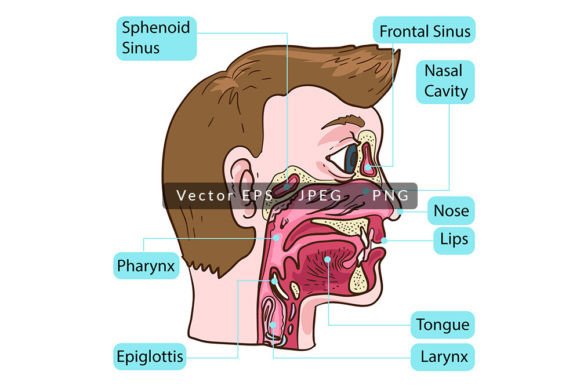
Mastering Human Nose Sinus Anatomy Through Precise Vector Illustrations
The intricate architecture of the human respiratory system is often obscured by its internal location, making visual representation a cornerstone of effective medical education. Among the most complex and frequently misunderstood structures are the paranasal sinuses. Understanding Human Nose Sinus Anatomy requires more than just textual descriptions; it demands high-fidelity visual aids that can dissect layers, reveal spatial relationships, and illustrate physiological functions clearly. For educators, medical professionals, and content creators, the availability of accurate vector illustrations has revolutionized how this critical biological information is conveyed to students, patients, and researchers alike.
The Critical Role of Visual Clarity in Biological Education
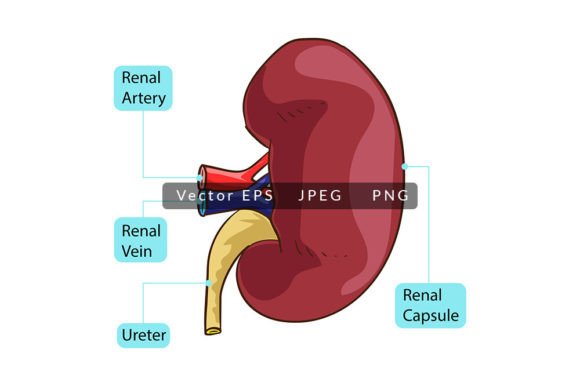
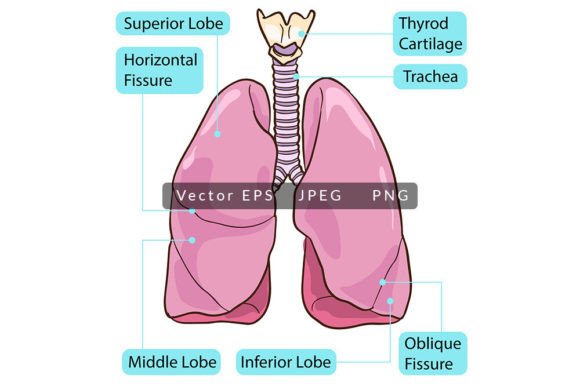
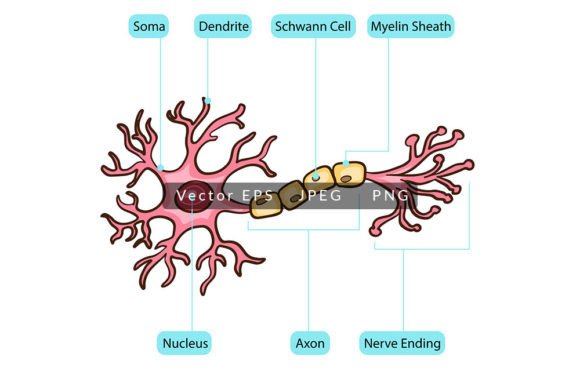
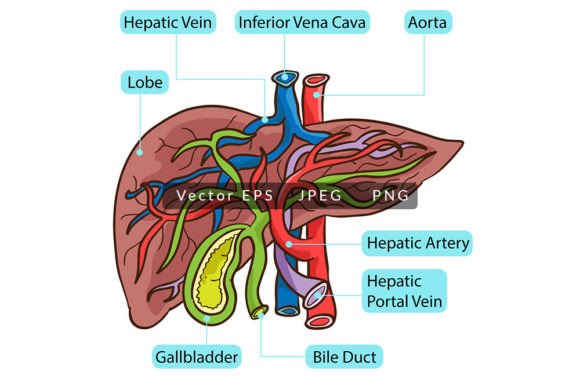
In the realm of biology and medicine, abstract concepts become tangible through visualization. The nasal cavity and its associated sinus cavities form a labyrinthine network that regulates air temperature, humidifies inhaled oxygen, and contributes to vocal resonance. When teaching these concepts to children or explaining conditions like sinusitis to patients, generic diagrams often fail to capture the necessary detail. A high-quality Human Body Parts Anatomy Vector Illustration serves as a bridge between complex anatomical reality and learner comprehension.
Vector graphics offer a distinct advantage over raster images in an educational setting because they are resolution-independent. This means that whether an image is displayed on a small tablet screen for a student's individual study session or projected onto a massive cinema-style screen in a hospital lecture hall, the lines remain crisp and the details sharp. This scalability is essential for detailed anatomical studies where the distinction between the ethmoid bone and the sphenoid sinus must be unmistakable.
Anatomical Precision for Medical Accuracy
Accuracy is non-negotiable when dealing with medical subjects. The Human Nose Sinus Anatomy includes four primary pairs of sinuses: the maxillary, frontal, ethmoid, and sphenoid. Each plays a unique role, and their proximity to critical structures like the eyes and the brain makes precise identification vital. In a clinical environment, misinterpretation of imaging can lead to diagnostic errors. Therefore, reference materials used for training must reflect the true topography of these cavities.
Professional-grade illustrations provide a standardized view that aligns with current anatomical consensus. Unlike hand-drawn sketches which may vary in proportion, digital vector art based on verified anatomical data ensures consistency across different learning modules. This consistency helps build a reliable mental map for students and reinforces correct terminology during presentations and exams.
Technical Specifications That Enhance Usability
The utility of any digital asset is defined by its technical specifications. For anatomical resources intended for diverse applications—from school textbooks to high-end medical presentations—the file format and resolution play a pivotal role in performance and versatility. A comprehensive package typically includes multiple formats to cater to various software requirements and output mediums.
At the core of such a resource is the EPS file. Encapsulated PostScript files are the industry standard for professional printing and design work. They preserve the vector nature of the illustration, allowing graphic designers and publishers to manipulate individual elements, change colors to match specific branding guidelines, or isolate specific sinus groups without losing quality. This flexibility is crucial when creating custom diagrams for research papers or specialized medical brochures where the focus might need to shift from the entire nose structure to just the maxillary sinuses.
High-Resolution Pre-Rendered Options for Immediate Use
While EPS files offer maximum editing potential, not every user possesses the software expertise or time required to render vector data into a final image. This is where pre-rendered high-resolution files become indispensable. A robust collection includes Hi resolution 4MP 2000 px pre-rendered Transparent PNG files. These images are optimized for digital use, featuring transparent backgrounds that allow them to be seamlessly integrated into PowerPoint slides, web pages, and digital textbooks without unsightly white boxes around the anatomy.
The 4-megapixel resolution (2000 pixels) strikes a perfect balance between file size and visual fidelity. It provides enough pixel density to show fine details like mucosal linings and ostia openings even when zoomed in on modern high-definition displays. For users who require a simpler format compatible with all operating systems and basic image viewers, Hi resolution 4MP 2000 px pre-rendered JPEG files offer a universally accessible alternative. These compressed files maintain excellent clarity for general viewing purposes while ensuring faster loading times on websites and easier sharing via email or cloud storage.
Diverse Applications Across Educational and Professional Sectors
The versatility of a well-crafted anatomical illustration extends far beyond the classroom. Its applications span a wide spectrum of industries, each leveraging the visual data to solve specific communication challenges. By understanding the breadth of these use cases, one can appreciate the value of investing in high-quality assets.
Schools and Biology Classrooms
In K-12 and higher education settings, engagement is key. Children and young adults often struggle to visualize internal organs that they cannot see. Interactive lessons using clear, colorful vector illustrations of the Human Nose Sinus Anatomy can transform a dry lecture into an engaging exploration. Teachers can use these images for labeling exercises, interactive quizzes, and group discussions. The ability to print these images at large sizes for posters or cut them out for hands-on activity kits makes them invaluable tools for kinesthetic learners.
Furthermore, the clean aesthetic of vector art appeals to younger audiences better than grainy, photorealistic medical scans which can sometimes be distressing. Simplified yet accurate representations help demystify the body's functions, fostering a lifelong interest in science and health.
Hospitals and Patient Communication
For medical professionals, the challenge often lies in translating complex pathology into language a patient can understand. Explaining the mechanics of chronic sinusitis or the procedure of a functional endoscopic sinus surgery is difficult with words alone. High-quality illustrations serve as a universal language, bridging the gap between doctor and patient.
During consultations, a physician can point to a specific area on a diagram to explain where inflammation is occurring or where a blockage exists. This visual confirmation reduces anxiety and improves informed consent. Additionally, hospitals utilize these images in waiting room literature, informational pamphlets, and digital signage to educate the public about respiratory health and prevention strategies.
Publishing and Content Creation
Authors of medical textbooks, educational blogs, and scientific journals rely heavily on visual assets to support their narratives. The inclusion of a Human Body Parts Anatomy Vector Illustration elevates the credibility and readability of written content. Publishers prefer vector files because they can be scaled to fit various page layouts without degradation, ensuring that the final printed product looks professional.
Content creators producing videos or online courses also benefit from these resources. The transparent PNG files allow for smooth overlay animations, enabling creators to highlight specific parts of the nose and sinuses as they speak. This dynamic presentation style keeps viewers engaged and aids in retention of complex information.
Considerations for Implementation and Workflow Integration
Integrating new visual assets into existing workflows requires careful planning. Whether you are a curriculum developer updating a biology textbook or a marketing team designing a campaign for a healthcare provider, the workflow should prioritize accessibility and adaptability.
First, consider the audience's technical proficiency. If the end-users are teachers who may not have access to Adobe Illustrator, providing the pre-rendered PNG and JPEG files alongside the master EPS file ensures everyone can utilize the resource effectively. Second, think about color theory and accessibility. While the original illustration may feature standard anatomical colors, the vector format allows for adjustments to ensure contrast ratios meet accessibility standards for visually impaired users.
Furthermore, maintaining version control is important. As anatomical understanding evolves or as new educational standards are introduced, having a centralized library of these high-resolution files ensures that all stakeholders are using the most accurate and up-to-date representations of Human Nose Sinus Anatomy. This prevents the circulation of outdated or inaccurate diagrams that could confuse learners or misinform patients.
The Future of Anatomical Visualization
As technology advances, the demand for high-quality, adaptable anatomical illustrations will only grow. The integration of augmented reality (AR) and virtual reality (VR) in medical training presents new opportunities for these vector-based assets. Because vector data is mathematically defined, it is easier to convert into 3D models for immersive experiences compared to flat raster images. The foundational accuracy of the 2D illustrations ensures that the resulting 3D environments are anatomically sound.
Moreover, the trend towards personalized medicine and tailored patient education means that generic stock photos are becoming less useful. Customizable vector illustrations allow for the creation of bespoke diagrams that reflect specific patient conditions or demographic characteristics. This level of personalization enhances the relevance of the information and fosters a deeper connection between the educator and the learner.
Ultimately, the goal of any educational or medical tool is to facilitate understanding. By combining rigorous anatomical accuracy with superior technical specifications, these illustrations do more than just decorate a page; they illuminate the hidden complexities of the human body. From the smallest detail of the ethmoid air cells to the broad structure of the nasal passage, clear visualization empowers students to learn, doctors to teach, and patients to understand their own health. In a world increasingly driven by visual media, the importance of precise, high-resolution Human Nose Sinus Anatomy resources cannot be overstated.