Mastering Medical Vector Illustrations
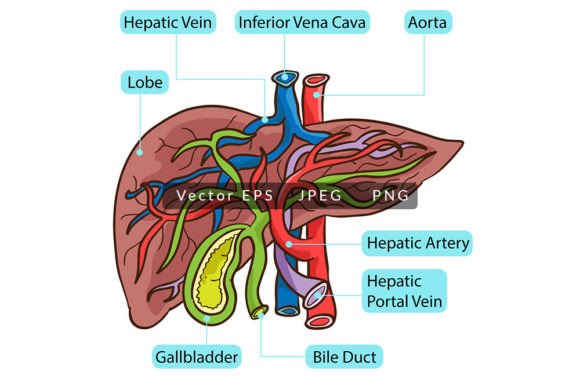
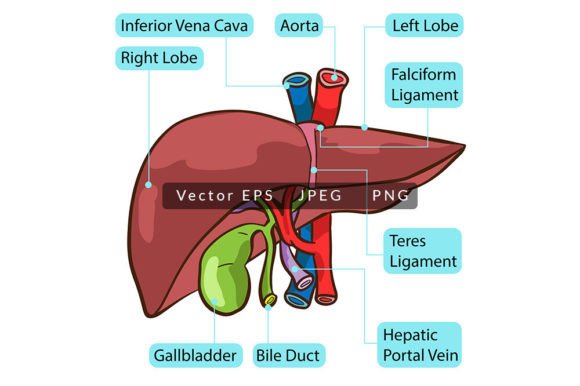
Visual clarity is the cornerstone of effective educational and medical communication, making high-quality assets like a Human Liver Anatomy illustration indispensable for modern creators. Whether you are designing for a hospital brochure, a biology textbook, or an interactive e-learning module, the precision of your visual elements directly impacts how well your audience understands complex biological concepts. In the realm of graphic design, accuracy meets aesthetics, ensuring that scientific integrity is never compromised by poor presentation.
Integrating detailed anatomical vectors into your design workflow allows for unparalleled flexibility. Unlike raster images that lose quality when scaled, vector-based illustrations maintain crisp edges and vibrant colors at any size. This scalability is crucial for brand identity consistency, where the same asset might appear on a small social media icon and a large conference banner. By utilizing a comprehensive Human Body Parts Anatomy Vector Illustration, designers can create cohesive visual narratives that resonate across various platforms, from digital marketing campaigns to print materials.
Elevating Educational and Medical Design
The demand for accurate medical imagery extends far beyond traditional textbooks. Today’s digital marketing strategies for healthcare providers and educational institutions rely heavily on engaging visual content. A well-crafted liver anatomy diagram serves as a powerful tool in UI design for health apps, helping users navigate complex information with ease. It also plays a pivotal role in editorial design, where layout and imagery must work in harmony to retain reader attention.
When selecting creative assets for these purposes, consider the following practical applications:
- Presentation Decks: Use high-resolution PNGs with transparent backgrounds to overlay anatomical details onto clean, professional slides without distracting borders.
- Social Media Graphics: Leverage JPEG files for quick-loading posts that explain health tips, ensuring the visuals are sharp on mobile devices.
- Packaging Design: Incorporate vector elements into supplement or medical product packaging to convey trust and scientific backing through clear labeling.
- Web Design: Implement scalable vectors to enhance page load speeds while maintaining modern aesthetics and responsiveness across different screen sizes.
Technical Specifications for Professional Results
To ensure your creative projects meet professional standards, the technical quality of your assets is paramount. A premium resource package typically includes multiple file formats to suit diverse needs. For instance, having access to EPS files allows for infinite scalability and easy color manipulation within design software, which is essential for matching specific color palette requirements of a brand.
Additionally, pre-rendered Transparent PNG files at 4MP resolution (2000 px) offer immediate usability for web and digital interfaces, eliminating the need for time-consuming background removal. High-resolution JPEGs provide a reliable option for print-ready materials where vector editing is not required but image fidelity is critical. This versatility supports a streamlined design workflow, enabling creators to focus on composition and visual hierarchy rather than technical troubleshooting.
Best Practices for Visual Integration
Successfully integrating anatomical illustrations into your designs requires a keen eye for balance and readability. Start by establishing a clear visual hierarchy. The liver illustration should complement the text, not overpower it. Use whitespace effectively to guide the viewer’s eye through the content, ensuring that labels and annotations are legible and properly aligned.
Consistency in style is another key factor. If your project employs a minimalist typography style, choose an illustration that mirrors this simplicity with clean lines and subdued colors. Conversely, for children’s activity books, brighter colors and softer edges may be more appropriate to engage younger audiences. Always evaluate how the asset interacts with existing brand systems, ensuring that fonts, colors, and imagery align with the overall branding strategy.
Furthermore, consider the context of use. In a clinical setting, accuracy and neutrality are prioritized, whereas educational materials for kids might benefit from a more stylized, approachable look. Understanding these nuances helps in selecting the right variation of the Human Liver Anatomy asset for your specific goal.
Ultimately, the right creative assets do more than just fill space; they enhance communication and build trust. By investing in high-quality, versatile illustrations, designers and marketers can elevate their professional presentation and deliver content that is both informative and visually compelling. Thoughtful design choices reflect a commitment to excellence, ensuring that every visual element contributes to a clearer, more impactful message.