Stack of Arithmetic Books 3D Shadow Box: A Strategic Approach to Educational Art
In the landscape of educational decor and creative gifting, few items bridge the gap between functional symbolism and aesthetic impact as effectively as the Stack of Arithmetic Books 3D Shadow Box. This is not merely a craft project; it is a visual statement about the foundational nature of learning. By utilizing a layered paper cut technique, this design transforms flat digital files into a tangible representation of academic rigor and intellectual curiosity. For educators, school administrators, and creative professionals looking to enhance their physical or digital environments, understanding how to leverage this specific design can yield significant results in branding, communication, and atmosphere creation.
The strategic value of the Stack of Arithmetic Books 3D Shadow Box lies in its ability to communicate complex ideas—such as depth of knowledge, structured learning, and the accumulation of skills—through a simple, universally understood visual metaphor. When deployed correctly, it serves as more than just an ornament; it becomes a focal point that reinforces the mission of an educational institution or the dedication of a teacher.
Defining the Asset and Its Visual Mechanics
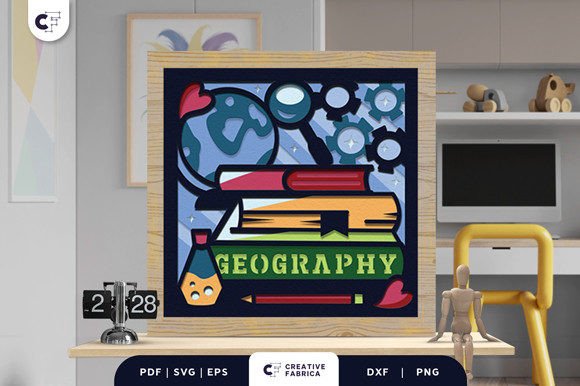
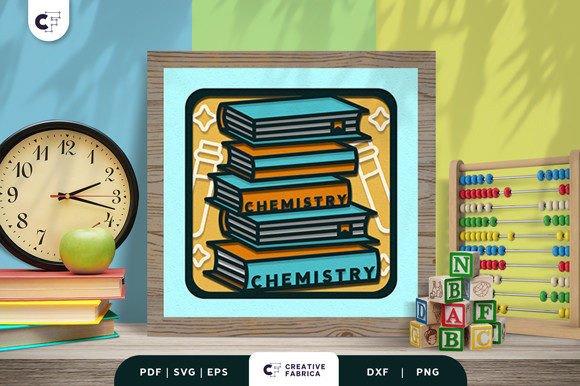
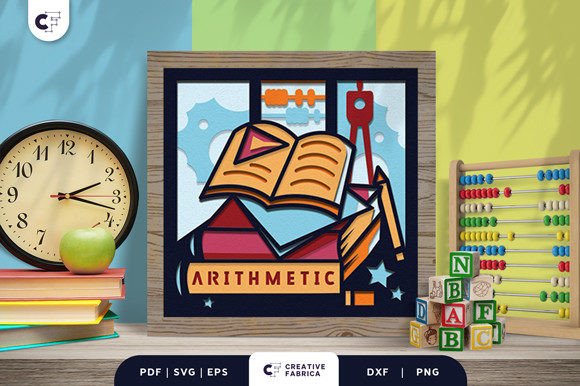
To utilize the Stack of Arithmetic Books 3D Shadow Box effectively, one must first understand its construction and the materials required for its realization. The design relies on a seven-layer architecture, creating a sense of depth that standard two-dimensional prints cannot achieve. Each layer represents a step in the learning process, culminating in a cohesive image of stacked books and arithmetic tools. The final dimensions are precise at 20.32×20.32 cm, a size optimized for standard shadow box frames and classroom display boards.
The production process demands precision. To execute this project successfully, you will need cutting machines such as a Cricut or Siser, which ensure clean edges and accurate alignment of the intricate layers. Adhesion is critical; PVA glue provides a strong bond for stacking, while 3D tape offers the necessary elevation to create the signature shadow effect. The choice of material is equally important. Using high-quality cardstock, such as Encore Cardstock 80 lb cover (216 gsm), ensures the layers hold their shape without warping, maintaining the professional finish required for public display.
This design is available in multiple digital formats—including SVG, PDF, EPS, PNG, and DXF—providing flexibility for various workflows. Whether you are managing a small boutique crafting business or equipping a large school district, these file formats allow for scalability and integration with existing design software, ensuring that the Stack of Arithmetic Books 3D Shadow Box fits seamlessly into your operational toolkit.
Strategic Applications in Education and Branding
The decision to incorporate the Stack of Arithmetic Books 3D Shadow Box into a space should be driven by clear objectives. In an educational setting, visual cues play a vital role in shaping the culture of a classroom. A well-crafted shadow box featuring arithmetic themes signals to students that mathematics is valued, respected, and integral to their development. It moves beyond decoration to become a subtle pedagogical tool that normalizes the presence of math in daily life.
For teachers, this item serves as an exceptional gift or recognition token. However, the strategic approach involves personalization. Instead of a generic purchase, creating a custom Stack of Arithmetic Books 3D Shadow Box demonstrates a level of care and effort that mass-produced items lack. This attention to detail strengthens relationships with colleagues, mentors, or retiring educators, reinforcing a culture of appreciation within the institution.
From a branding perspective, schools and tutoring centers can use this imagery to differentiate themselves. In marketing materials or physical reception areas, the three-dimensional quality of the artwork suggests depth and substance. It visually communicates that the institution does not skim the surface but delves deep into the curriculum. This aligns with the broader goal of positioning the organization as a serious, dedicated partner in student success.
Planning for Production and Resource Allocation
Before initiating the creation of the Stack of Arithmetic Books 3D Shadow Box, a practical assessment of resources is essential. While the concept is straightforward, the execution requires time and the right equipment. Entrepreneurs and hobbyists must consider the cost of materials versus the perceived value of the final product. High-quality cardstock, such as the recommended 216 gsm weight, adds to the upfront cost but significantly enhances durability and presentation.
Time management is another critical factor. Cutting seven distinct layers, applying adhesive, and assembling the structure with 3D tape is a labor-intensive process. For those producing these items for commercial sale or large-scale distribution, batching production runs is advisable. Grouping similar tasks—cutting all layers first, then gluing, then assembling—improves efficiency and reduces the cognitive load associated with switching between different stages of the workflow.
Furthermore, consider the target audience's expectations. If the Stack of Arithmetic Books 3D Shadow Box is intended for a formal academic ceremony, the finish must be flawless. Any misalignment or visible glue residue can undermine the professional image you are trying to project. Conversely, if the item is for a casual classroom activity, minor imperfections may be acceptable, allowing for a faster turnaround. Defining the context early prevents wasted effort and ensures the final output meets the specific needs of the situation.
Intentional Use vs. Random Decoration
A common pitfall in educational design is the random placement of decorative elements without a unifying theme. The Stack of Arithmetic Books 3D Shadow Box loses its strategic impact when treated as mere filler. To maximize its value, it should be placed where it can actively contribute to the environment's narrative. For example, positioning it near a reading corner or a math station creates a thematic anchor that guides student behavior and focus.
Relying on this design without a clear goal can lead to visual clutter. If a classroom already features numerous competing graphics, adding another complex 3D element might overwhelm the space rather than enhance it. Strategic decision-making involves assessing the current visual load and determining if the shadow box adds clarity or confusion. In some cases, less is more; a single, high-impact piece like this can be more effective than a wall covered in disparate decorations.
Additionally, consider the longevity of the installation. Paper crafts, even when made with durable cardstock, are susceptible to environmental factors like humidity and direct sunlight. Planning for preservation is part of the strategic approach. Ensuring the shadow box is housed in a sealed frame protects the investment and maintains its aesthetic appeal over time, preventing the need for frequent replacements.
Long-Term Value and Operational Considerations
The true measure of the Stack of Arithmetic Books 3D Shadow Box is its long-term contribution to the goals of the user. For a small business owner selling digital downloads or finished crafts, this design offers a niche product that appeals to a specific demographic: parents, teachers, and education enthusiasts. By offering high-resolution files in SVG, PDF, EPS, PNG, and DXF formats, you cater to a wide range of technical capabilities, expanding your market reach.
For educators, the item serves as a lasting reminder of the importance of foundational skills. Unlike temporary posters that fade or get damaged, a well-constructed shadow box can remain a centerpiece for years. This durability translates to a better return on investment, both financially and emotionally. It becomes a staple of the classroom identity, evolving from a new addition to a cherished tradition.
Moreover, the process of creating the Stack of Arithmetic Books 3D Shadow Box itself can be a valuable learning experience. Workshops or team-building activities centered around this project can foster collaboration and creativity among staff members. The shared effort of bringing a digital design to life strengthens team bonds and encourages a hands-on approach to problem-solving.
Material Selection and Quality Assurance
The success of any papercraft project hinges on the quality of the materials used. For the Stack of Arithmetic Books 3D Shadow Box, the recommendation to use Encore Cardstock 80 lb cover (216 gsm) is not arbitrary. Thinner paper lacks the rigidity needed to support the weight of multiple layers, leading to sagging or collapse. Heavier paper may be difficult to cut cleanly with standard machines, resulting in jagged edges that detract from the final look.
Investing in premium materials like those found at the 12×12 Cardstock Shop ensures that the structural integrity of the shadow box is maintained. This is particularly important for gifts or public displays where the item will be handled frequently. Consistency in color and texture across all seven layers is also crucial for achieving the seamless visual effect that defines high-end papercraft art.
By prioritizing quality in the selection of cardstock, adhesives, and cutting tools, you demonstrate a commitment to excellence. This attention to detail resonates with the recipient, whether they are a teacher receiving a thoughtful gift or a parent purchasing a unique home decor item. It elevates the project from a simple craft to a piece of functional art.
Conclusion: Making the Decision with Confidence
The Stack of Arithmetic Books 3D Shadow Box represents a convergence of art, education, and strategy. When approached with intention, it offers a powerful way to celebrate the timeless bond between education and inspiration. Whether you are an educator looking to enhance your classroom, a creator seeking a profitable niche, or a professional aiming to make a meaningful gesture, this design provides a versatile and impactful solution.
Success lies not just in the act of creation, but in the thoughtful planning that precedes it. By considering the context, selecting the right materials, and aligning the project with your broader goals, you ensure that the Stack of Arithmetic Books 3D Shadow Box serves its purpose effectively. Avoid the trap of random decoration; instead, let this artwork stand as a deliberate testament to the value of learning and the beauty of structured knowledge. With the right tools and a clear vision, you can transform digital files into a lasting legacy of inspiration.