Mastering Colored Pencils and Pastels
There is a distinct tactile satisfaction in holding a stick of pigment against paper. Unlike the sterile precision of digital tools, colored pencils and pastels offer an organic, unpredictable, and deeply human method of expression. For educators, designers, and creative professionals alike, these mediums are not merely childhood relics; they are sophisticated tools for visual communication, rapid ideation, and stress relief. Understanding how to leverage their unique properties can transform your approach to both artistic creation and professional presentation.
The Distinct Personalities of Dry Media
While often grouped together in art supply aisles, colored pencils and soft pastels operate on fundamentally different principles. Recognizing these differences is the first step toward mastering them.
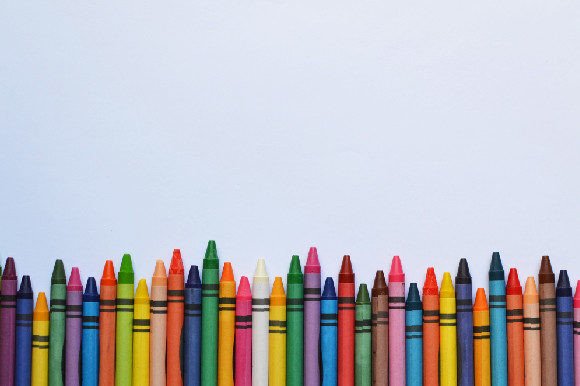
Colored pencils are essentially wax or oil-based cores encased in wood. They allow for precision. You can achieve fine details, sharp lines, and controlled layering. The wax binder creates a smooth surface that builds up gradually, allowing for subtle gradients and realistic textures. This makes them ideal for technical illustrations, botanical drawings, or detailed architectural sketches where accuracy matters.
Pastels, conversely, are pure pigment held together with a minimal amount of binder. They are powdery, vibrant, and immediate. A single stroke covers a large area with intense color. Soft pastels blend directly on the paper, creating atmospheric effects that mimic painting without the mess of water or solvents. They excel in capturing light, mood, and broad compositional ideas quickly.
Why Professionals Are Returning to Analog Tools
In an era dominated by screens, the shift back to colored pencils and pastels among adults is driven by more than just nostalgia. It is about cognitive benefits and workflow efficiency.
- Enhanced Focus: Working with physical media requires sustained attention. There are no notifications, no undo buttons, and no software updates. This forced mindfulness can reduce anxiety and improve mental clarity.
- Rapid Ideation: For marketers and entrepreneurs, sketching concepts with pastels is faster than opening design software. It allows for quick iteration of logos, layout ideas, or storyboards without getting bogged down in technical settings.
- Tactile Learning: Educators find that students retain information better when they engage kinesthetically. Creating diagrams or maps using colored pencils activates different neural pathways than typing notes.
Practical Applications Across Industries
The versatility of these mediums extends far beyond the art studio. Here is how various professionals can integrate them into their daily workflows.
Education and Training
Teachers use colored pencils and pastels to create engaging visual aids. A history teacher might use pastels to draw a quick, colorful map of trade routes, making the lesson memorable. Art educators rely on pencils to teach fundamental concepts like shading, perspective, and color theory because the medium is forgiving and easy to control for beginners.
Design and Branding
Graphic designers often start projects on paper. Using colored pencils allows for the exploration of color palettes in a low-stakes environment. The texture of pencil strokes can also be scanned and used as digital assets, adding a handcrafted feel to branding materials. This "human touch" is increasingly valued in marketing campaigns that seek to appear authentic and approachable.
Therapeutic and Wellness Practices
Art therapists frequently recommend these tools for clients dealing with stress or trauma. The repetitive motion of shading with pencils can be meditative. Pastels, with their bold and expressive nature, allow individuals to externalize emotions that might be difficult to articulate verbally. The lack of permanence in pastel work (it can be easily wiped away or blended over) encourages experimentation without fear of failure.
Selecting the Right Materials
Not all supplies are created equal. Investing in quality materials significantly impacts the user experience and the longevity of your work.
When choosing colored pencils, look for lightfastness ratings. This ensures your artwork won’t fade over time. Wax-based pencils are softer and blend easily, while oil-based pencils are harder and hold a sharper point longer. For professional work, a set with at least 24 colors provides enough range for mixing and shading.
For pastels, the choice between soft, hard, and oil pastels depends on your goal. Soft pastels offer the richest color but require fixative sprays to prevent smudging. Hard pastels are excellent for initial sketches and fine details. Oil pastels are a hybrid, offering the vibrancy of soft pastels with the stability of wax, making them suitable for mixed-media projects.
Paper selection is equally critical. Pastels need tooth—a textured surface that grabs the pigment. Smooth paper will cause the powder to slide off. Colored pencils work best on slightly textured paper that allows for multiple layers without becoming waxy or slick.
Techniques for Maximum Impact
To get the most out of colored pencils and pastels, consider these practical techniques:
- Layering: Start with light pressure and build up color gradually. This prevents the paper from becoming saturated too quickly and allows for richer, more complex hues.
- Blending: Use a blending stump, tortillon, or even a tissue to smooth out pencil strokes. For pastels, use your fingers or a soft brush to merge colors seamlessly.
- Underpainting: Begin with a wash of watercolor or a thin layer of pastel to establish values and composition before adding detailed pencil work on top.
- Fixatives: Always use a workable fixative spray between layers of pastel to prevent mudiness. This locks the pigment in place, allowing you to add more details without disturbing the underlying colors.
Integrating Analog and Digital Workflows
You do not have to choose between traditional and digital media. Many professionals use a hybrid approach. Sketching with colored pencils and pastels provides the organic foundation, which is then scanned and refined digitally. This combines the warmth of hand-drawn elements with the flexibility of digital editing. For bloggers and content creators, this results in unique featured images that stand out in a sea of stock photography.
Furthermore, documenting your process through time-lapse videos of your drawing can be valuable content for social media. Audiences are fascinated by the transformation of blank paper into a finished piece, offering a behind-the-scenes look that builds connection and trust.
Final Thoughts on Creative Utility
Whether you are an educator looking to engage students, a designer seeking fresh inspiration, or an individual pursuing mindfulness, colored pencils and pastels offer undeniable value. They bridge the gap between thought and execution, providing a direct line from your mind to the page. By understanding their characteristics and applying them strategically, you can enhance your creative output and enjoy the simple, profound pleasure of making marks on paper.